
66 km from Santiago · straight line
La Campana
The last great Chilean palm forest, and the summit Darwin climbed.
- Guide published
- A day
- Possible with connections
Photograph: Mar del Sur · CC BY-SA 3.0
Loading the map
Cartography: OpenStreetMap
How to get there
Recommended option
For the Granizo sector, train or bus to Limache then local transport to Olmué. For Ocoa, a car.
Possible with connections
- Departure point
- Santiago or Valparaíso, depending on the sector
- Arrival point
- Olmué (Granizo sector) or Hijuelas (Ocoa sector)
- Final leg
- From the town to the gate there is a short leg by local transport or taxi.
- Limitations
- The sectors do not connect comfortably in one day. The summit climb has a cut-off entry time.
Schedules, fares and conditions may change. Check the latest information before travelling.
Reviewed: 2026-08-04 · Official source
Why it's worth the trip
Because it's two parks in one: the palm forest is a walk among trees that grow almost nowhere else on earth, and the summit is a serious climb with a view of both the Pacific and the Andes on the same day.
Landscape
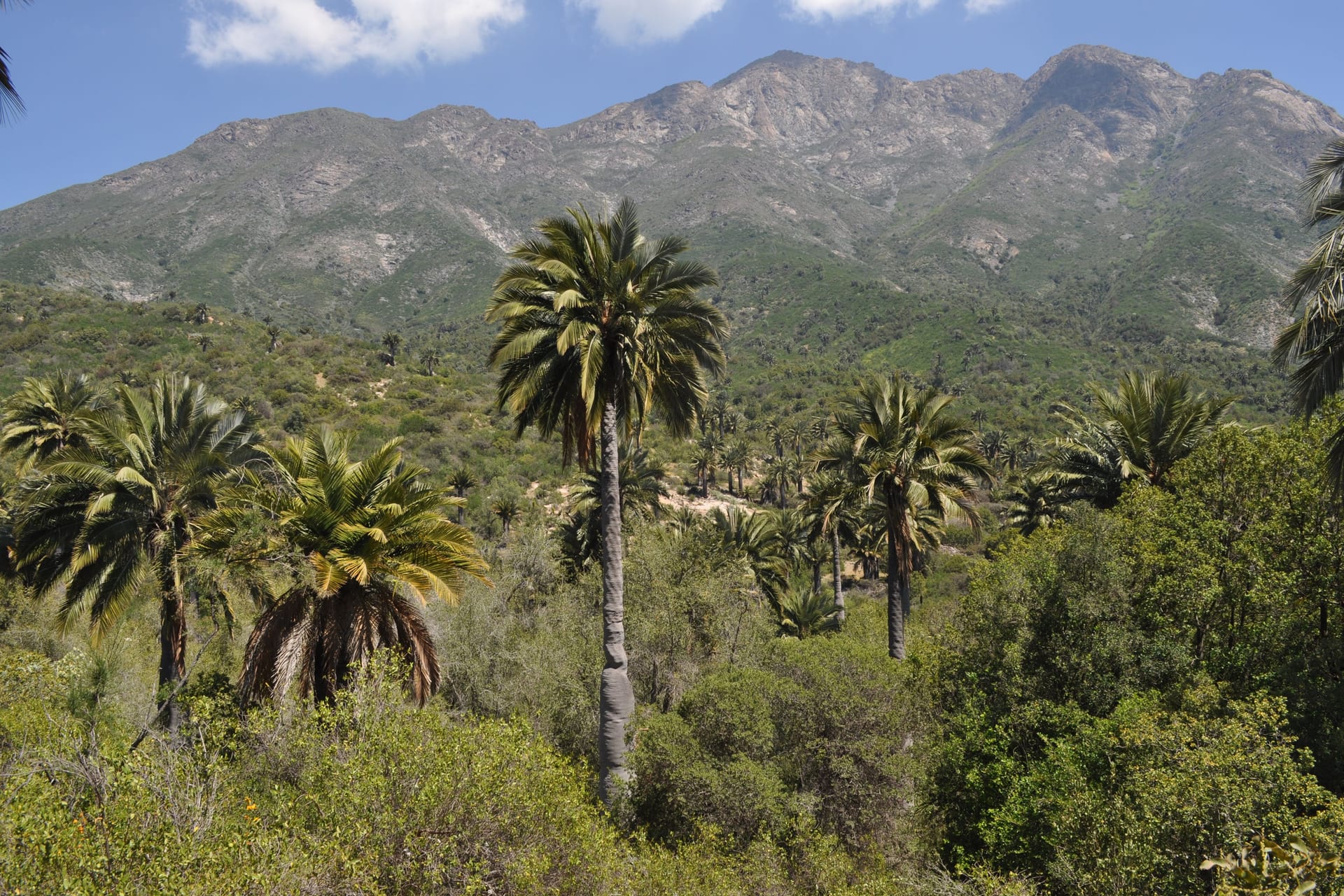
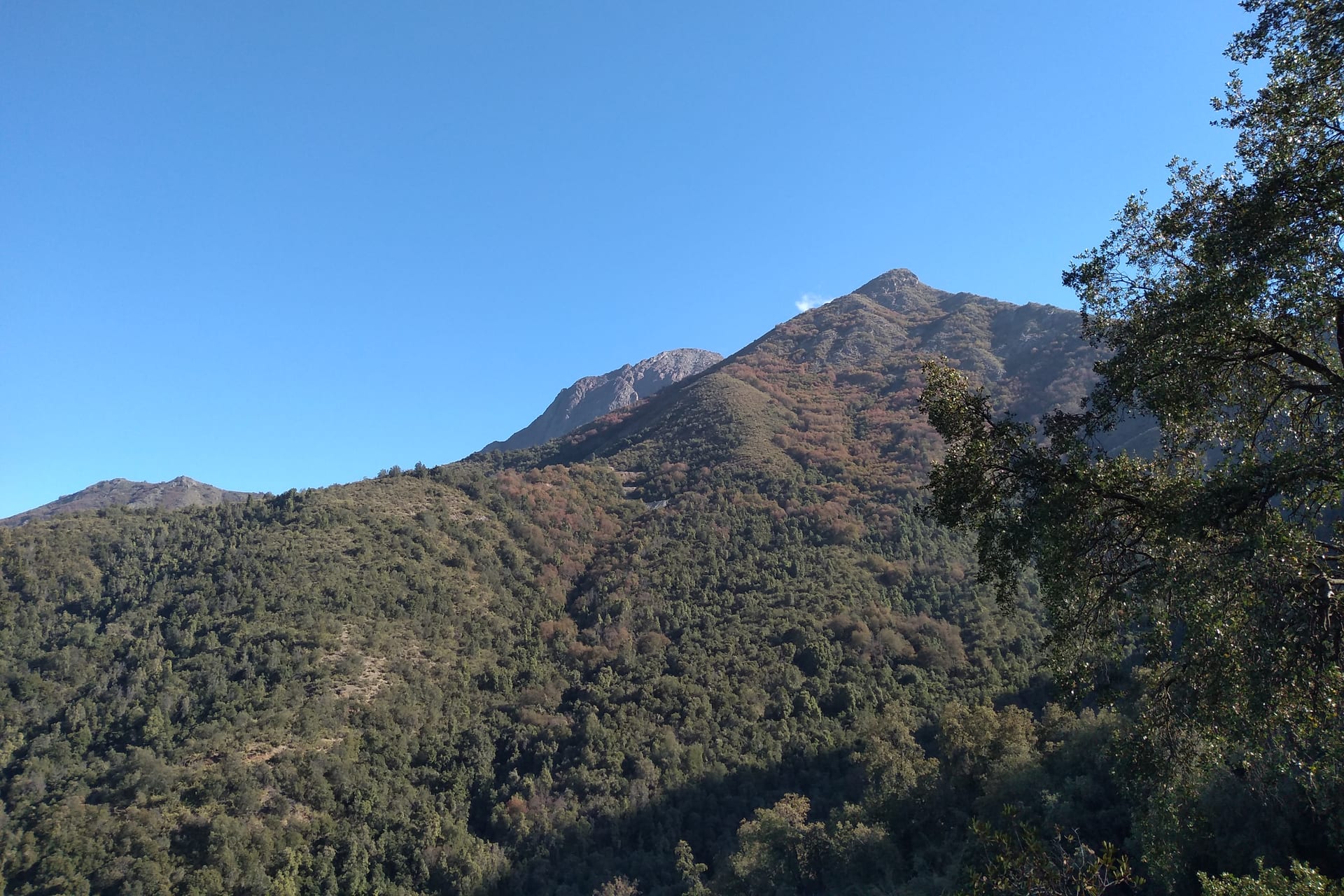
In the Ocoa sector one of the last Chilean wine palm forests (Jubaea chilensis) survives — a species that once covered much of this area and now remains in very few places. On the other side of the park stands Cerro La Campana, which Charles Darwin climbed in 1834 and described in his Beagle diary. UNESCO declared it a Biosphere Reserve in 1984.
- Forest
- Mountain
What the trip could look like
Two possible formats: the Ocoa palm forest at an easy pace, or the full summit for anyone wanting a long day.
An idea of how the day would go.
Who this destination is for
A good fit if
- Anyone interested in botany and landscape
- People who want to choose between easy and demanding
Maybe not if
- Extremely hot days, on the summit side
Worth knowing
- The park sectors are not comfortably connected within a single day.
- The summit climb has CONAF-limited entry times.
Sources
Other destinations
Aguas de Ramón
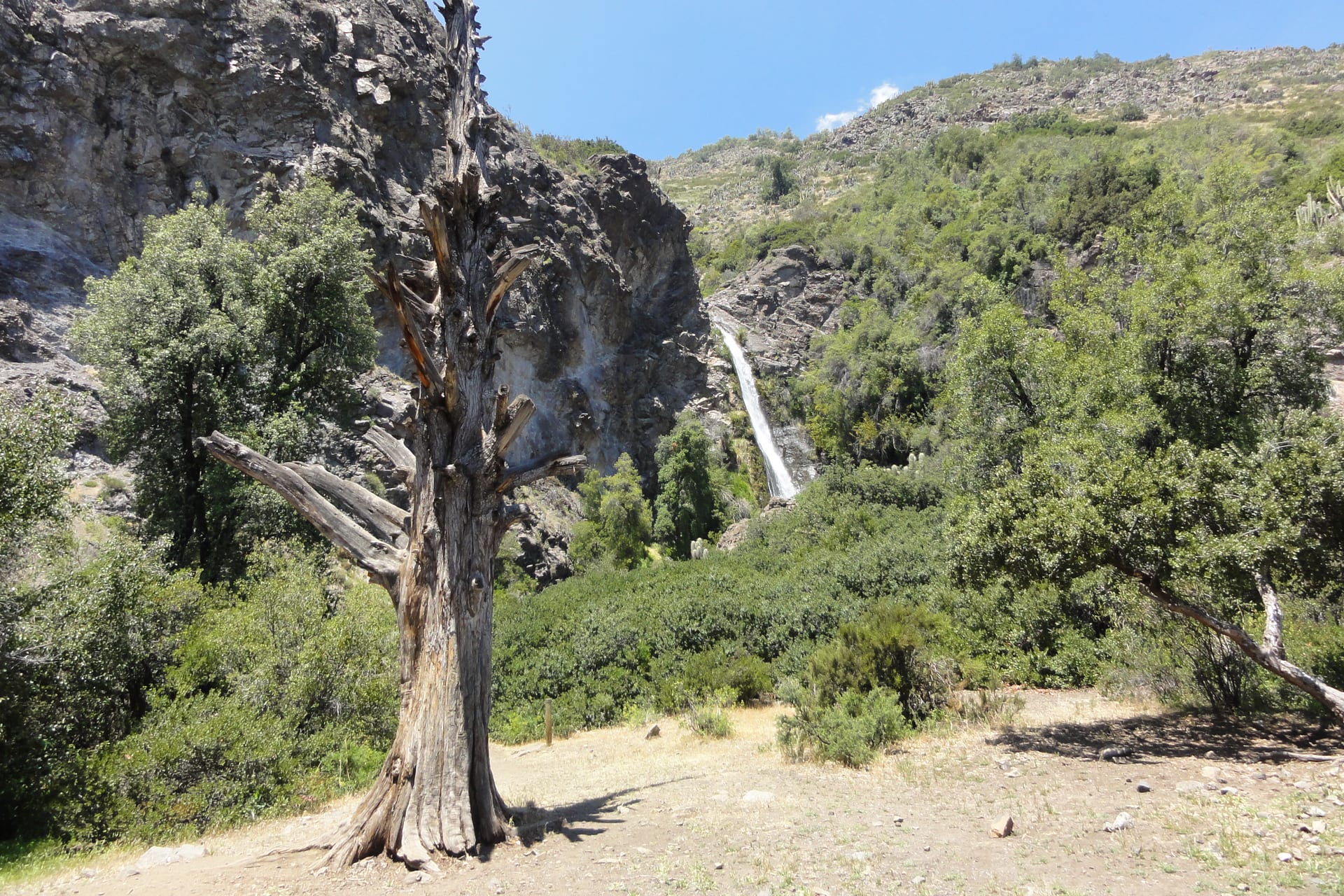
The ravine that starts where the city ends, with a waterfall at the far end.
- Recommended duration A day
- Without a car Easy without a car
- How to get there Local bus
Cajón del Maipo and San José de Maipo
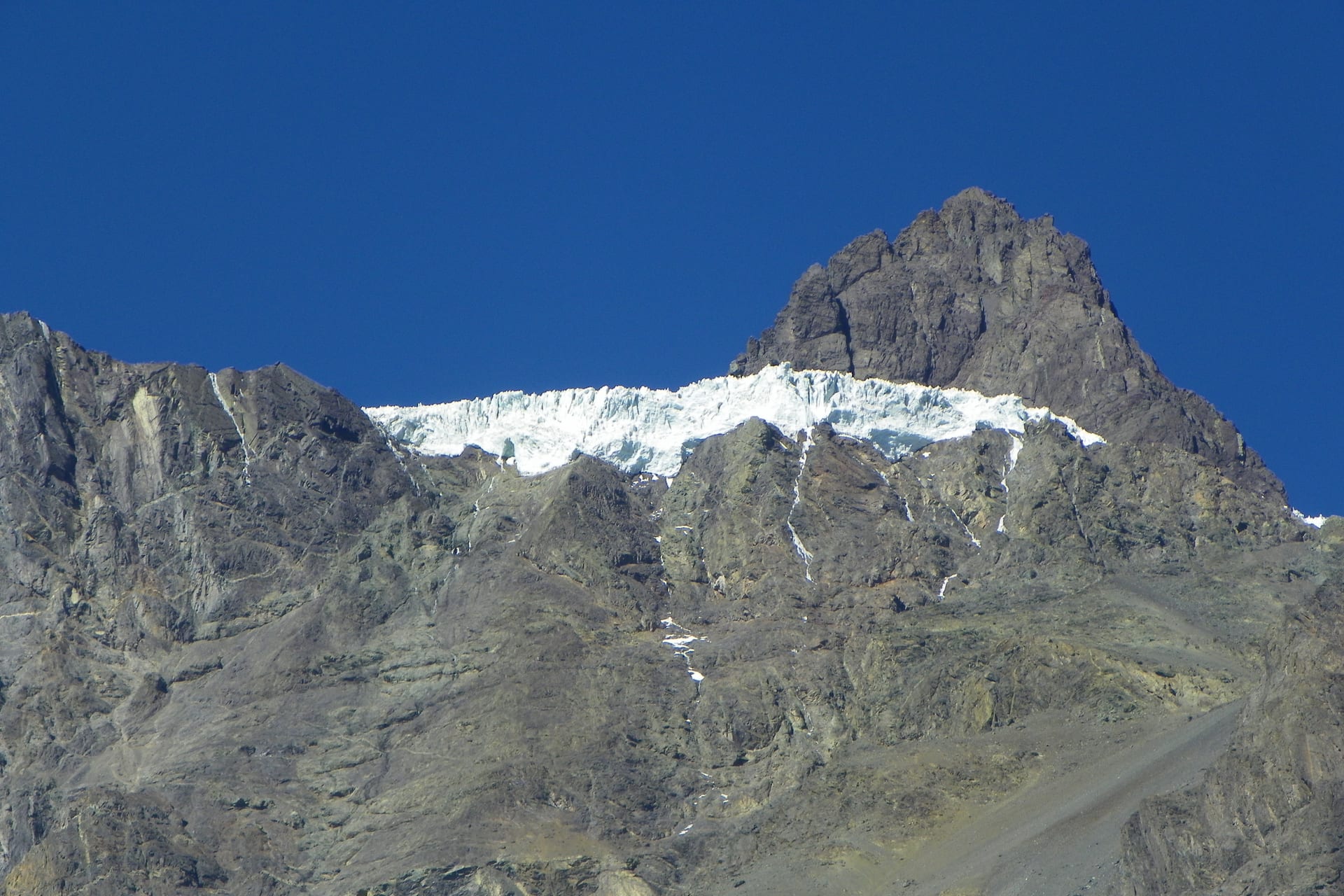
The valley Santiago uses as its mountain backyard: a town with services and, higher up, a long scattered territory.
- Recommended duration A day
- Without a car Possible with connections
- How to get there Local bus
Yerba Loca
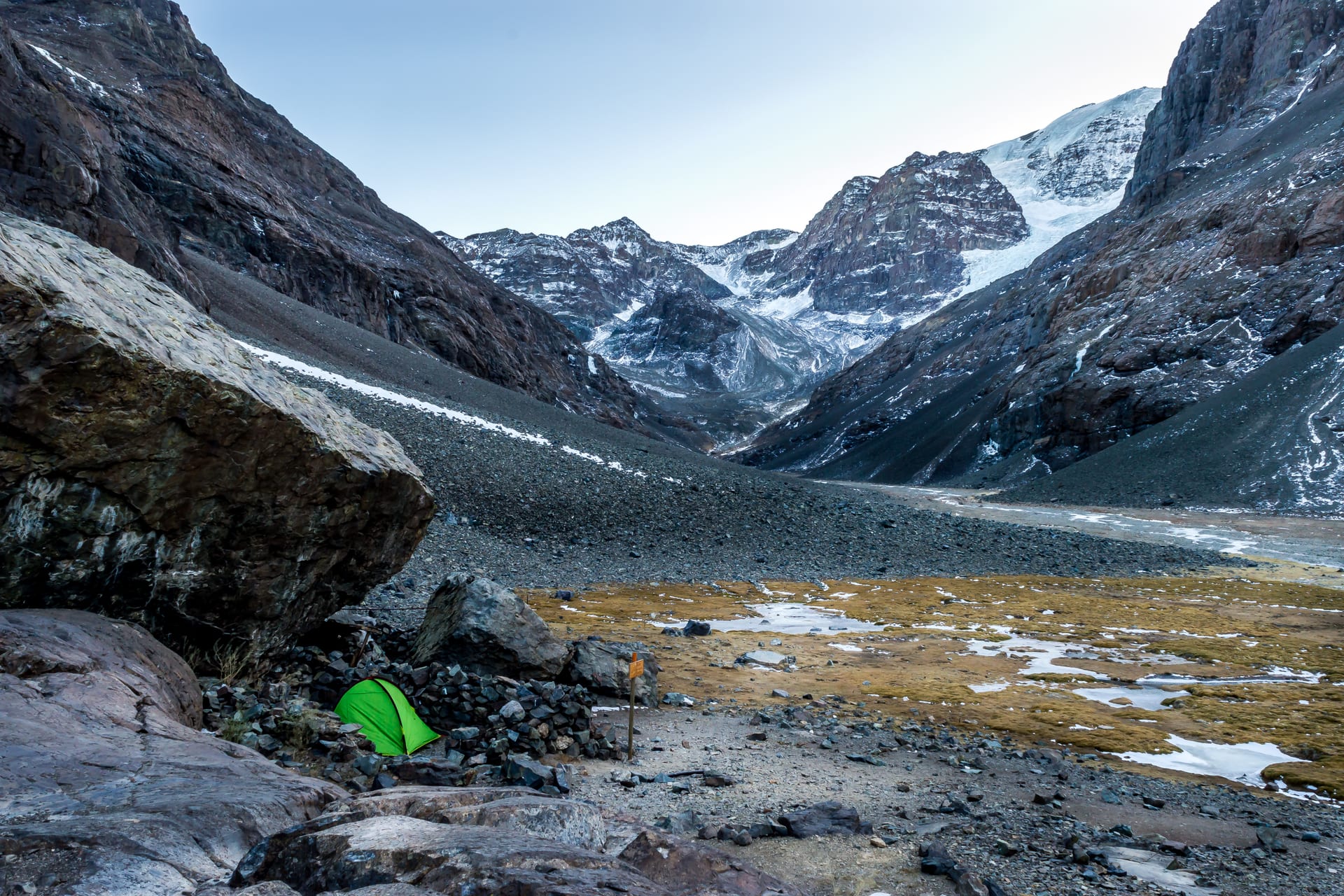
A whole glacial valley an hour from the city. The gate of the Andes.
- Recommended duration A day
- Without a car Car or transfer recommended
- How to get there Car